The Impact of Residential Furniture
Transforming Homes with Thoughtful Design: The Impact of Residential Furniture on Everyday Living

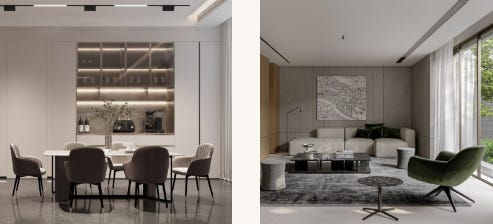
Introduction: Designing Comfort and Function
Creating a home that balances style, comfort, and practicality begins with choosing the right residential furniture. Thoughtful selection and placement of pieces shape how a space feels and functions, affecting daily routines, social interaction, and long-term satisfaction. Whether furnishing a compact apartment or a spacious family residence, the right approach to residential furniture elevates both aesthetics and livability.
Why Residential Furniture Matters
Beyond mere decoration, residential furniture sets the tone for comfort and usability. Well-chosen pieces support ergonomic needs, accommodate lifestyle demands, and reflect personal taste. Investing in durable, versatile items can reduce the need for frequent replacements and encourage sustainable choices. For homeowners aiming to create a cohesive environment, residential furniture is the cornerstone that brings architecture and interior design together.
Prioritizing Functionality and Flow
A key principle when selecting residential furniture is ensuring that each piece serves a clear purpose and contributes to the room’s flow. Start by assessing how each space is used: Do you entertain often? Do you need work-from-home setups? Prioritize multipurpose items—such as storage ottomans, extendable dining tables, and adaptable shelving—that enhance functionality without sacrificing style. Arranging furniture to allow natural traffic paths improves comfort and reduces clutter, making daily routines smoother.
Incorporating Fitted Furniture for Tailored Solutions
For many homeowners, fitted furniture offers a tailored solution that maximizes space and creates a seamless look. Fitted furniture, such as built-in wardrobes, bespoke kitchen units, and custom shelving, can be designed to fit awkward dimensions and optimize storage. These installations often increase a home’s resale appeal by delivering a clean, integrated appearance that freestanding pieces can’t easily replicate. Homeowners who choose fitted furniture typically benefit from improved organization and a higher level of finish.
Balancing Aesthetics and Durability
While aesthetics draw the eye, durability ensures long-term satisfaction. Select fabrics, finishes, and construction methods that withstand daily use and align with your household’s needs. For families with pets or young children, stain-resistant upholstery and rounded-edge furniture can be both practical and stylish. Consider neutral base pieces that can be refreshed with seasonal accents—pillows, throws, and small décor—to keep interiors feeling current without major investment.
Sustainable and Cost-Effective Choices
Sustainability is increasingly important in residential furniture decisions. Look for responsibly sourced materials, manufacturers with transparent supply chains, and options for refurbishing or recycling. Purchasing timeless, high-quality items may have a higher upfront cost but often proves more economical over time by reducing replacements. Combining a few investment pieces with affordable accents allows homeowners to achieve a polished look within budget.
Final Thoughts: Crafting a Home That Works
At its best, residential furniture does more than fill a room—it shapes daily experience. By focusing on functionality, selecting durable materials, and considering fitted furniture where appropriate, homeowners can create spaces that are both beautiful and practical. Thoughtful choices in furniture selection lead to environments that support routines, welcome guests, and reflect the personalities of those who live there.